
サッカーチーム「南葛SC」とパートナー契約を締結しました。
コピー機・複合機 大特価セール・お得なリース
↓↓問い合わせはこちらをクリックまたは電話で↓↓
オフィス桃太郎に問い合わせをする
電話は0120-736-360まで(スマホの方ははこちらをクリックください)
複合機・コピー機。全国リース特価
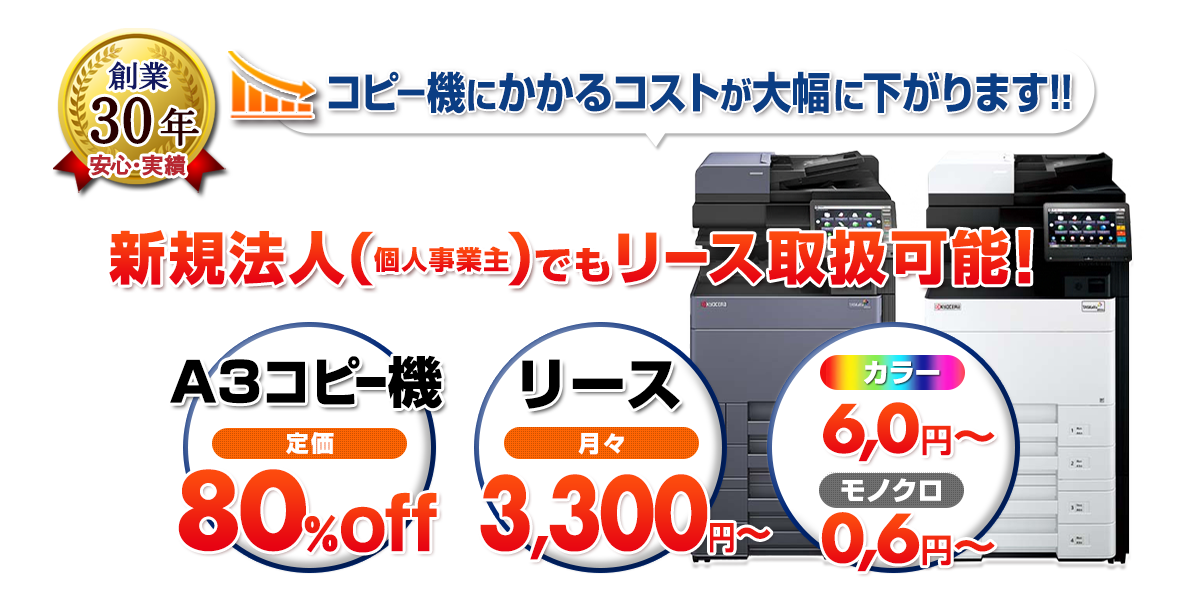
業務用A3カラー複合機が定価の80%引き!
モノクロカウンター0.6円/枚~。カラーカウンター6.0円/枚~。
オフィス桃太郎で、コピー機複合機をリースした場合
月間3,000枚モノクロ印刷しても、わずか月額コスト9,900円!!
1枚あたりたったの3.3円!(リース・保守込み・トナー込)・初期費用0円!
※5年リース、新品、A3対応業務用カラー複合機(コピー機)の場合、リース代とカウンター料金(トナー込)の合計金額、税別
↓納品までのながれ。3ステップで導入できます、↓
| 1 最速&最安見積 | 2 スピード審査 | 3 スムーズ納品 |
|---|---|---|
| 価格だけでなく、18時までなら即日発行 | 可決率と審査の早さに自信あり | メーカー直送だから安心(都内は弊社) |
↓↓問い合わせはこちらをクリックまたは電話で↓↓
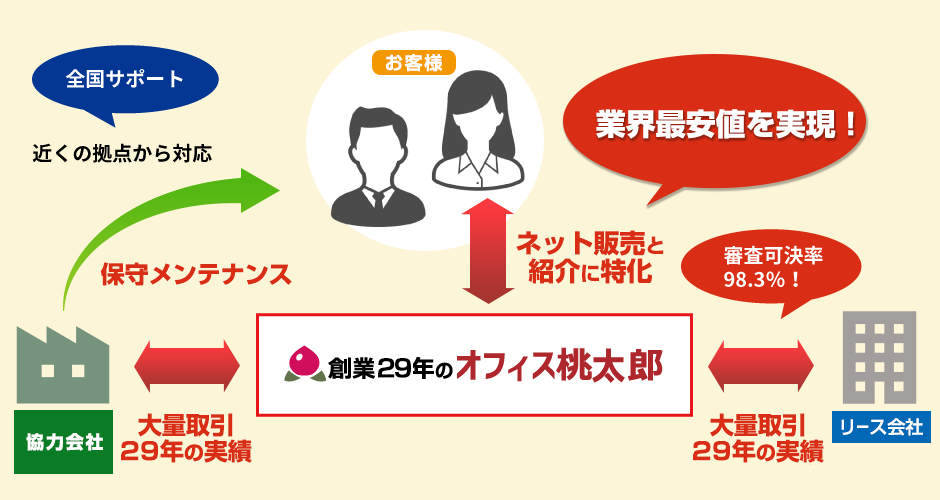
オフィス桃太郎がお客様に支持されている3つの理由
| 理由その1 | 理由その2 | 理由その3 |
|---|---|---|
|
本体価格 最大80%オフ |
大手8社と契約 |
全国保守対応(一部地域除く) |



さらにオフィス桃太郎は、納品後のプリンタ・スキャナ設定も無料サポートします
オフィス桃太郎独自のサポート
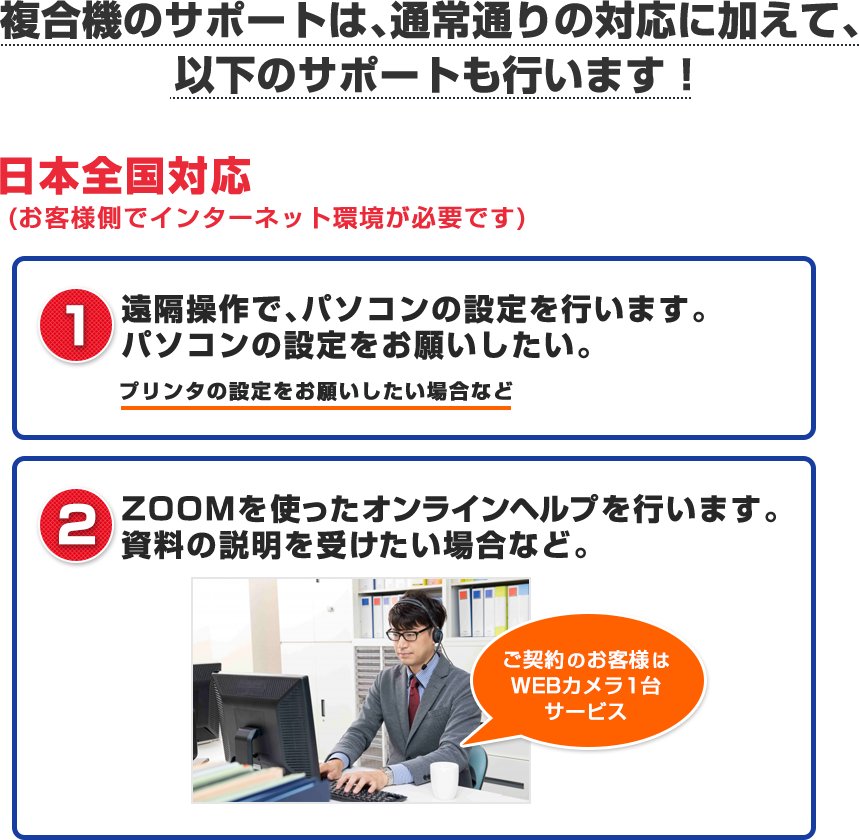
納品後も安心です。
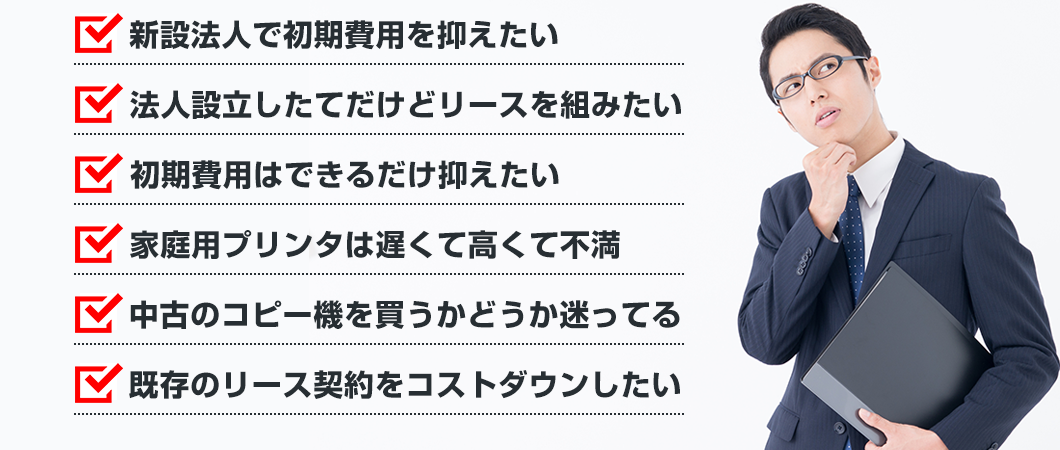
このように考えているお客様は、オフィス桃太郎がおすすめです

オフィス桃太郎 おすすめプラン
|
おすすめプラン1 格安リース複合機
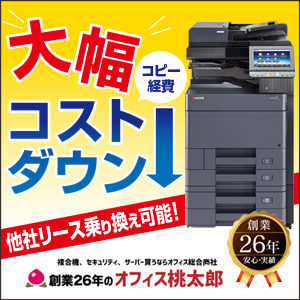
格安リースで複合機購入。 |
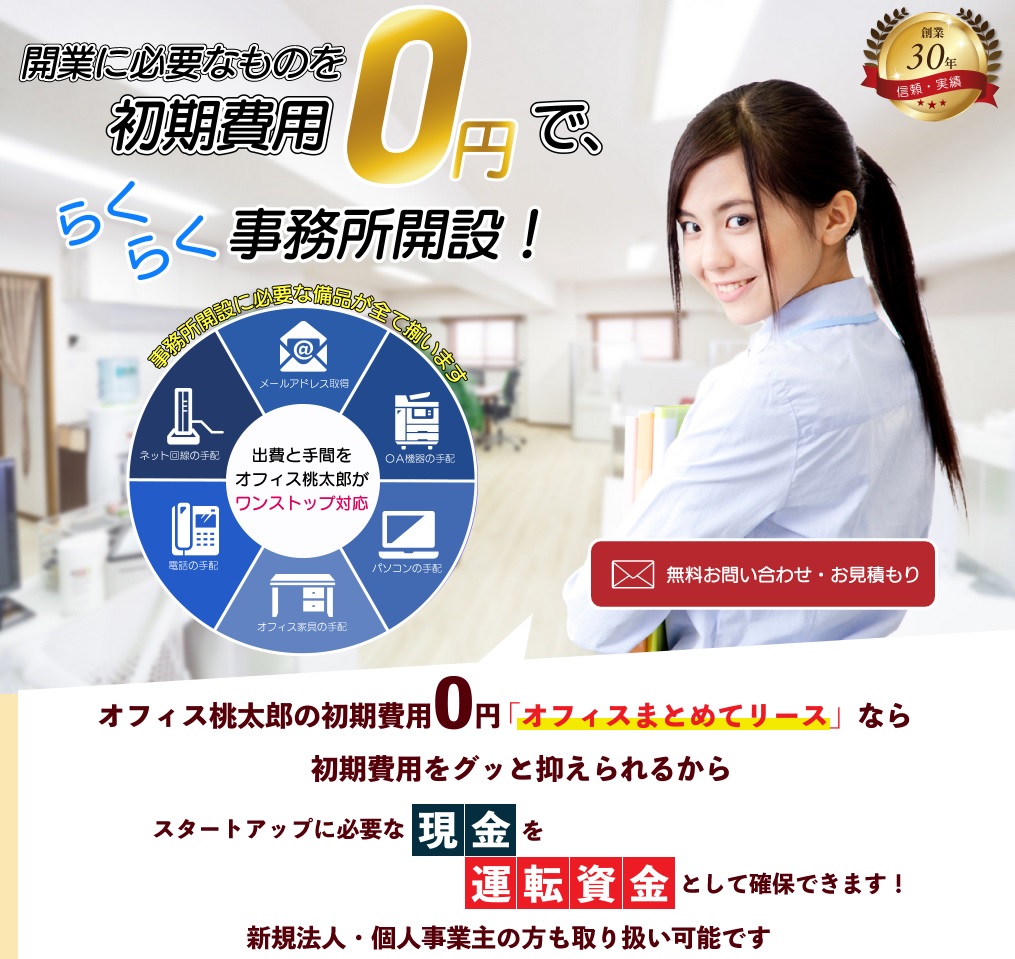
おすすめプラン2 オフィスまとめてリース
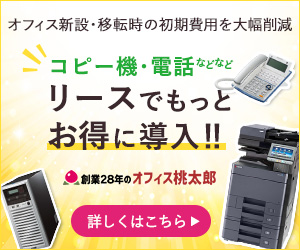
新規に事務所を開設される方、 |
|
おすすめプラン3 リアルタイムバックアップサーバー
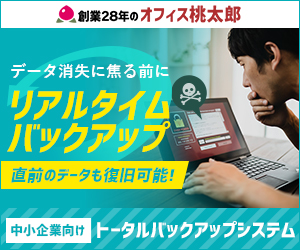
パソコンのデータをリアルタイムに |
おすすめプラン4 複合機UTMセットモデル

複合機と合わせて、ネットワークセキュリティ機器の要であるUTMも同時購入で破格の価格に
|
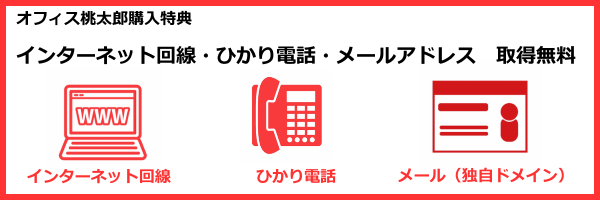
オフィス桃太郎ならインターネット回線と電話とメール(独自ドメイン)もワンストップで手続完了できます
リース契約について
オフィス桃太郎は、初期費用を大幅に抑える事が出来る「リース契約」での複合機やサーバーの導入をお勧めしております
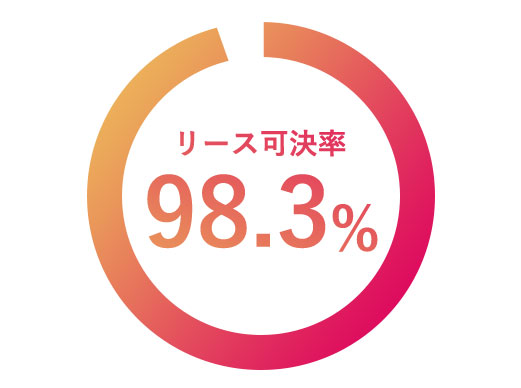
オフィス桃太郎は、リース契約についても強みがあります
コピー機複合機を購入するポイント
コピー機・複合機をリースするまたは購入するというのは、ちょっとした勇気がいりますよね
どこで買っても同じと思っていると、痛い思いをするかもしれません。
購入する上で、ポイントを押さえておけば、安心してできますよね
抑えるべきポイントは3つあります
1.コスト
2.サポート面
3.リース
ご契約・納品までの流れ
| Step1 ご連絡・見積提出 | Step2 ご契約 | Step3 納品 |
|---|---|---|
|
メールまたはお電話にて |
注文書・リース契約書を郵送させて頂きます。 |
メーカーまたは弊社より納品させて頂きます。 |
今さら聞けないコピー機についての解説ページ
オフィス向けのコピー機の契約は一般家庭向けの契約とは大きく異なります。
機能はもちろん、価格帯も大きく変わります。
家庭用のように、間違えたから買い換えといった事が安易にできるものではありません。
だからこそ、オフィス複合機の導入には「知っているか」「知らないか」で大きく変わります。
コピー機や複合機のいろはを導入前にしっかり知識として、身に付けて賢く正しくコピー機の導入を行いましょう。
オフィス桃太郎が独自にまとめてみましたので、ぜひご覧ください
今まで気になっていた事がわかりやすく解説されております
お客様が気になる注目の記事BEST3
コピー機のリース契約と一括購入はどちらが得なのか
コピー機のリース契約と現金一括購入、それぞれの場合においてメリット・デメリットをまとめてみました。
コピー機・複合機のリース契約時の価格の相場について
新品のコピー機をリースする際に参考にすべきポイントについて解説してみました
→「コピー機・複合機のリース契約時の価格の相場」についてを見る
「そもそもカウンター料金とは何か」・「カウンター料金の定額・無料サービスの落とし穴」

【動画で説明】30秒でわかるシリーズ
動画第1弾 30秒でわかるコピー機にかかる費用
説明
オフィス桃太郎がコピー機にかかる費用を簡潔明快に説明します
・コピー機にかかる費用は、大きく分けて2つある
・本体代金と保守代金の中身
・保守代金の方程式
・費用を安く済ませるには?
※音声なし
動画第二弾 30秒でわかるコピー機のリース
説明
オフィス桃太郎がコピー機のリースを簡潔明快に説明します
・リースについて
・リースのポイント
・リース相場
・リース審査について
※音声なし
新動画 【オフィス桃太郎】遠隔サポートの入り方
説明
オフィス桃太郎の遠隔サポートに入る方法をお教えする動画です
※音声なし
大切なお客様へお知らせ
「オフィス桃太郎は中古を売っているから安い」と同業他社さまがご指摘しているようです。
オフィス桃太郎は「新品」でご提案しております。
ご安心ください
2019年5月13日